By the time a child hits six or seven, their bedroom usually looks like a toy shop exploded. The plastic bins are overflowing, there are bits of Lego under the sofa, and half the stuff from last Christmas hasn’t been touched in months. So when another birthday party invite lands on the fridge, a lot of parents (myself included) start looking for a way out. You don’t want to be the person who brings yet another box of plastic that will break in a week. You want something useful, or at least something that won’t add to the clutter.
If you’re stuck trying to work out what to get a six-year-old or a seven-year-old who seems to have everything, here are ten ideas that go beyond the usual toy aisle. Some are things, some are days out, and a few just cost a few quid but actually get used.
Short on time? Our 5 easiest non-toy gift ideas are books, experiences, creative supplies, activity or puzzle books, and memberships to places children actually enjoy visiting.
1. A Proper Book or a Small Set
At this age, many children are moving from being read to towards reading for themselves, even if that means slowly sounding out the words. A book that’s actually theirs feels different from one borrowed from the school library.
You don’t need a fancy hardcover. A paperback series they can get into — especially one that matches whatever they’re obsessed with at the moment — usually goes down well, and a set of two or three titles staggers the excitement over a few weeks. If you’re not sure of the reading level, ask the parent, or choose a slightly longer picture book: it still works read aloud at bedtime. This one tends to land with children who already ask for stories; a child who rarely sits still may leave it on the shelf, and that’s fine too.
2. An Experience (Tickets to Somewhere)
Tickets to the zoo, a science museum, a climbing centre or a farm park. An experience doesn’t take up physical space at home. The parents will appreciate that as much as the child does, and it’s less likely to be another duplicate gift sitting in the pile afterwards.
Hand the tickets over in a card so there’s still something to open on the day. At six or seven, many children are old enough to get excited about having a day out planned for them, and will talk about it for the week beforehand. It’s a good fit for children who are always trying to drag their parents out of the house at the weekend.
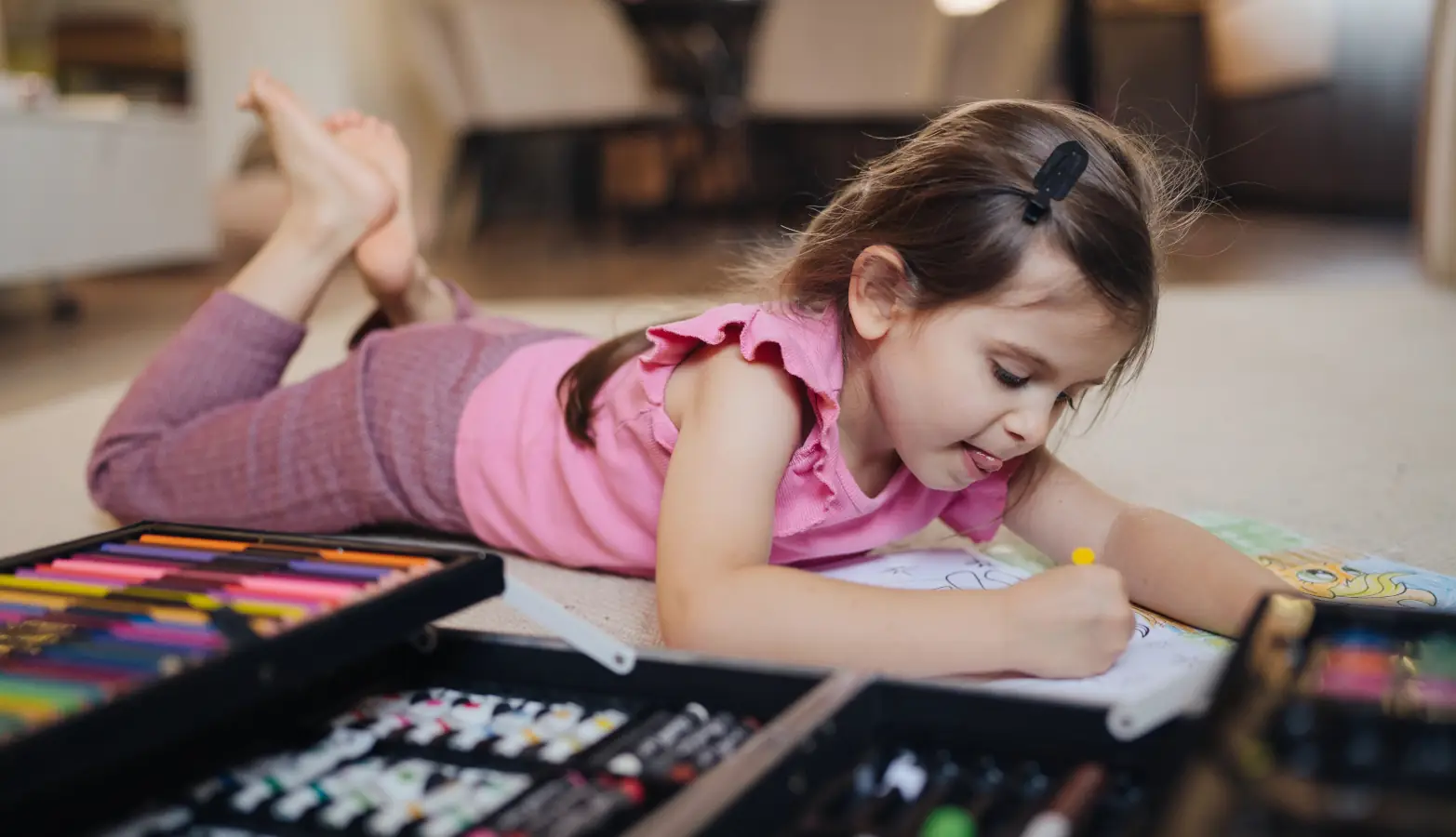
3. Real Art Supplies (Not a Cheap Kit)
Skip the plastic craft kits with the tiny paint tubes and the glitter that ends up everywhere. A proper sketchbook, a decent set of coloured pencils, watercolours, or a big pad of good paper feels more grown-up. For children who already enjoy drawing, better-quality materials can make the activity feel more special.
Open-ended supplies also mean the child decides what to make, instead of following instructions to one fixed result. Add a folder for keeping finished pieces and it becomes a hobby rather than a single afternoon. Expect the kitchen table to be covered in paper by teatime. The children who keep coming back to a gift like this are usually the ones already drawing on the back of envelopes and in the margins of their homework.
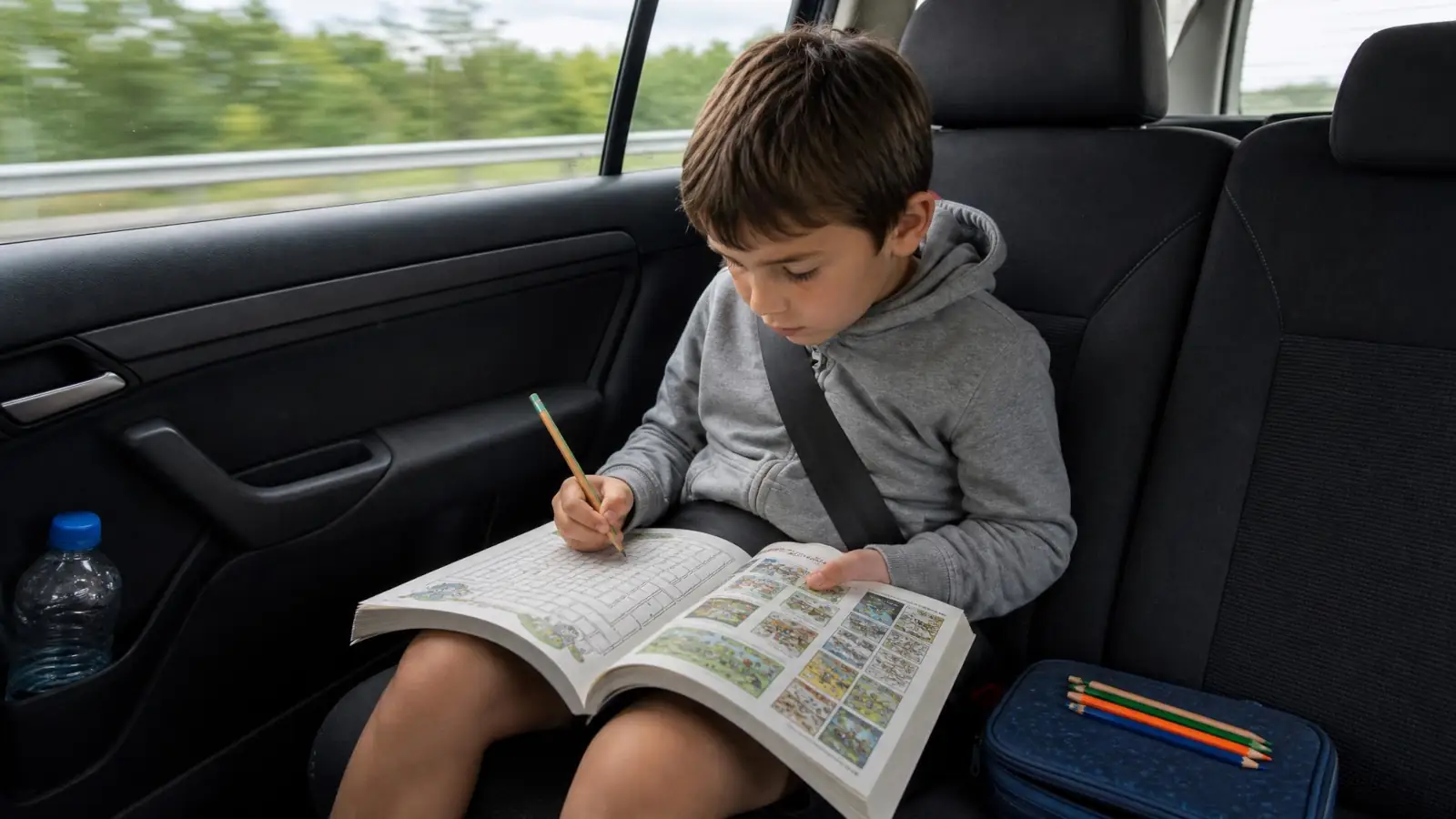
4. A Puzzle or Activity Book
Some children genuinely prefer working through a maze or solving a puzzle over playing with another toy. For them, an activity book is one of the easiest gifts you can give: no sizing, no batteries, and something they can start on the same afternoon.
When you’re choosing one, look for a good mix of activity types, difficulty that matches the child’s age, and an answer key at the back so they can check their own work without an adult hovering.
We created the Smart Little Owl Activity Book for 6–7-Year-Olds with that mix in mind. It is an 80-page paperback with 70 numbered activity pages, 8 numbered answer-key pages, and 2 unnumbered opening pages. The activity pages include 25 mazes, 6 word searches, maths and number puzzles, beginner 4×4 Sudoku, spot-the-difference activities, drawing and symmetry challenges, and more.
The maths activities include addition and subtraction, number ordering, comparing numbers using <, > and =, number patterns, counting in 3s, counting backwards, number grids, a 1–100 number path and telling the time. There are also word-based activities such as picture crosswords, word scrambles and read-and-match exercises.
For children who enjoy visual puzzles, the book includes six spot-the-difference scenes, odd-one-out challenges, connect-the-dots, grid copying, symmetry and a step-by-step drawing activity.
The 8-page answer key at the back means children can check their work themselves rather than needing an adult to solve every puzzle with them.
It works well for rainy afternoons, school holidays, quiet time or whenever a child wants something they can work through independently. We’ve also put together 13 screen-free car journey activities for 6–7-year-olds for families who want more ideas for keeping children occupied on the go.
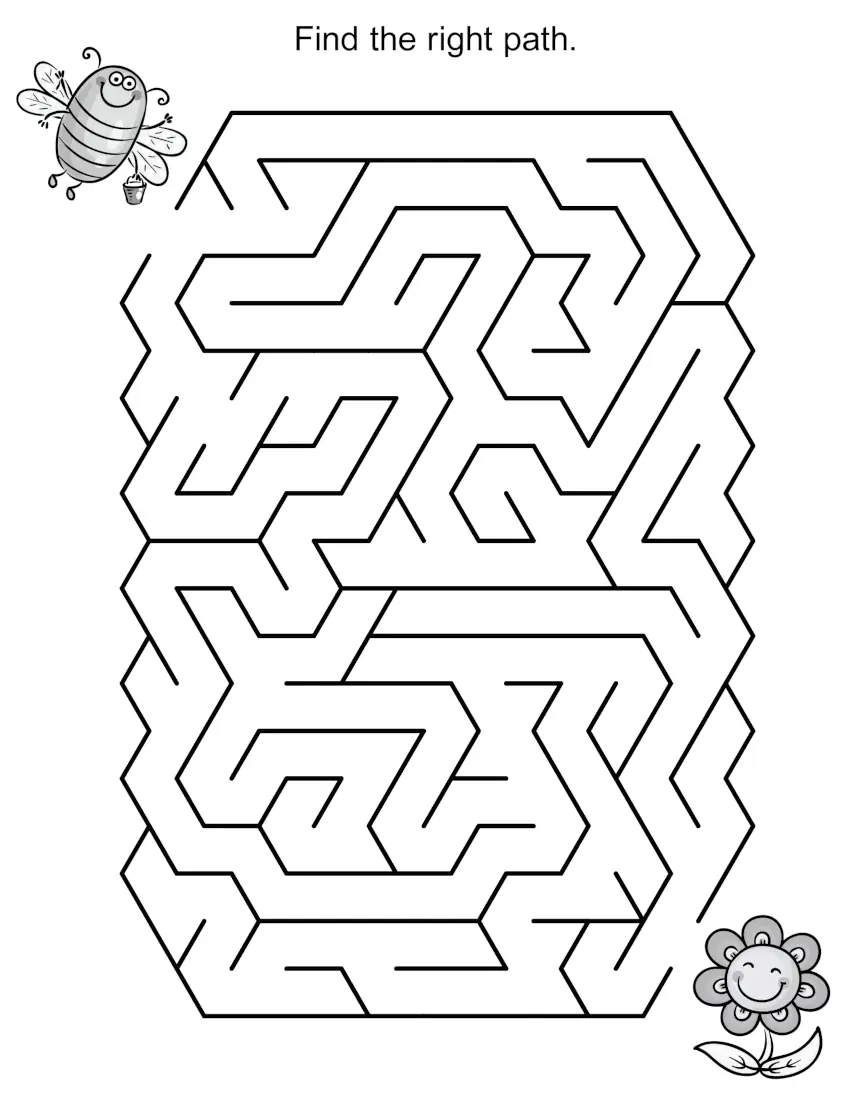
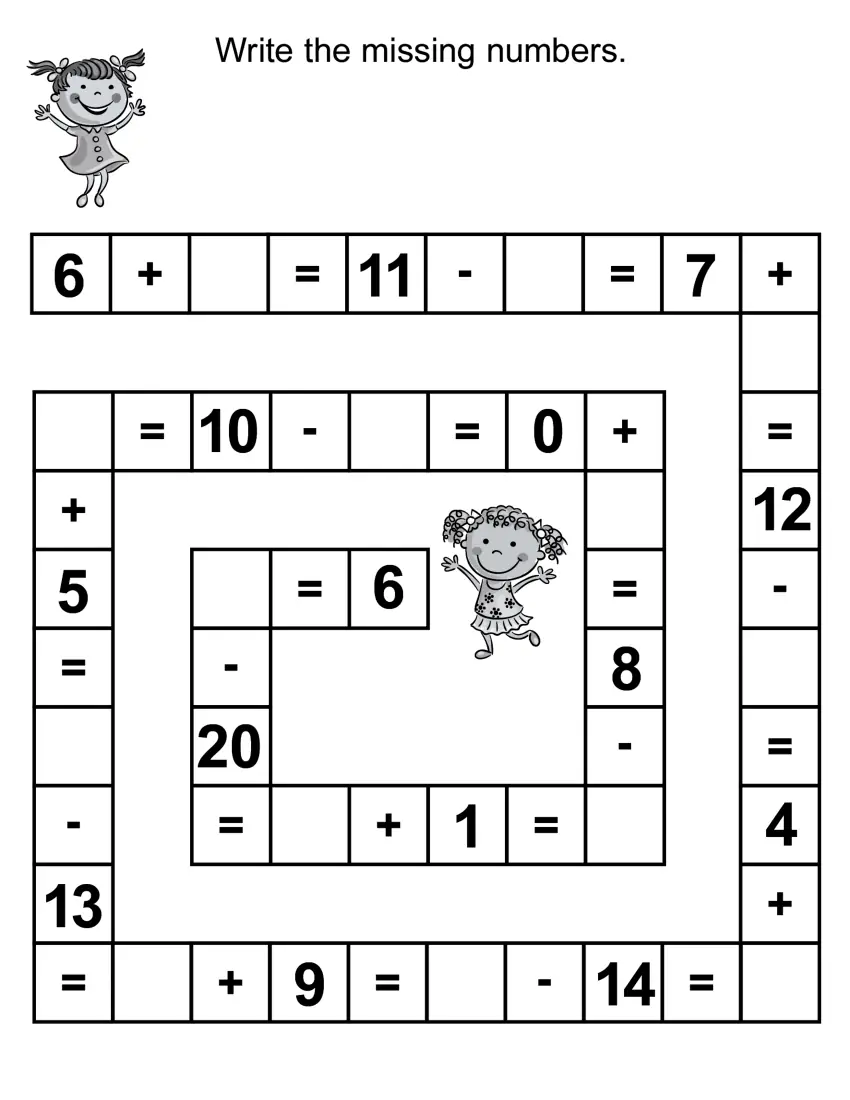
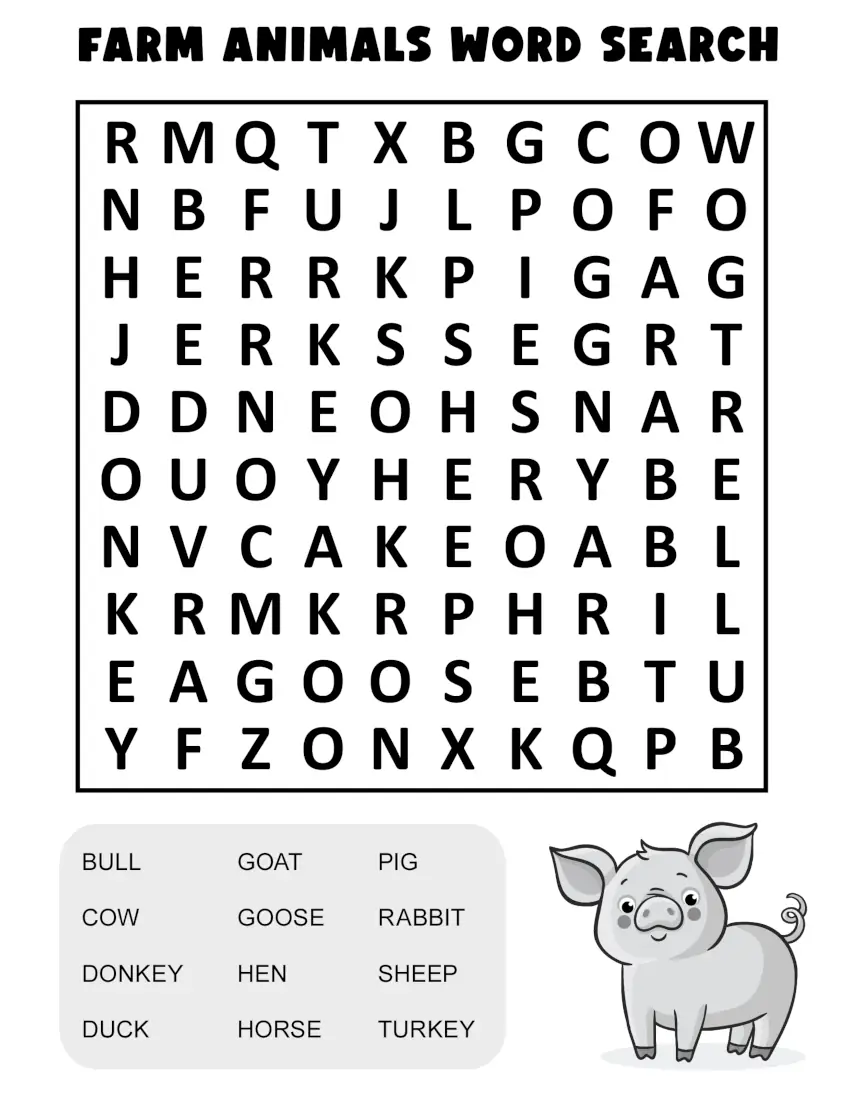
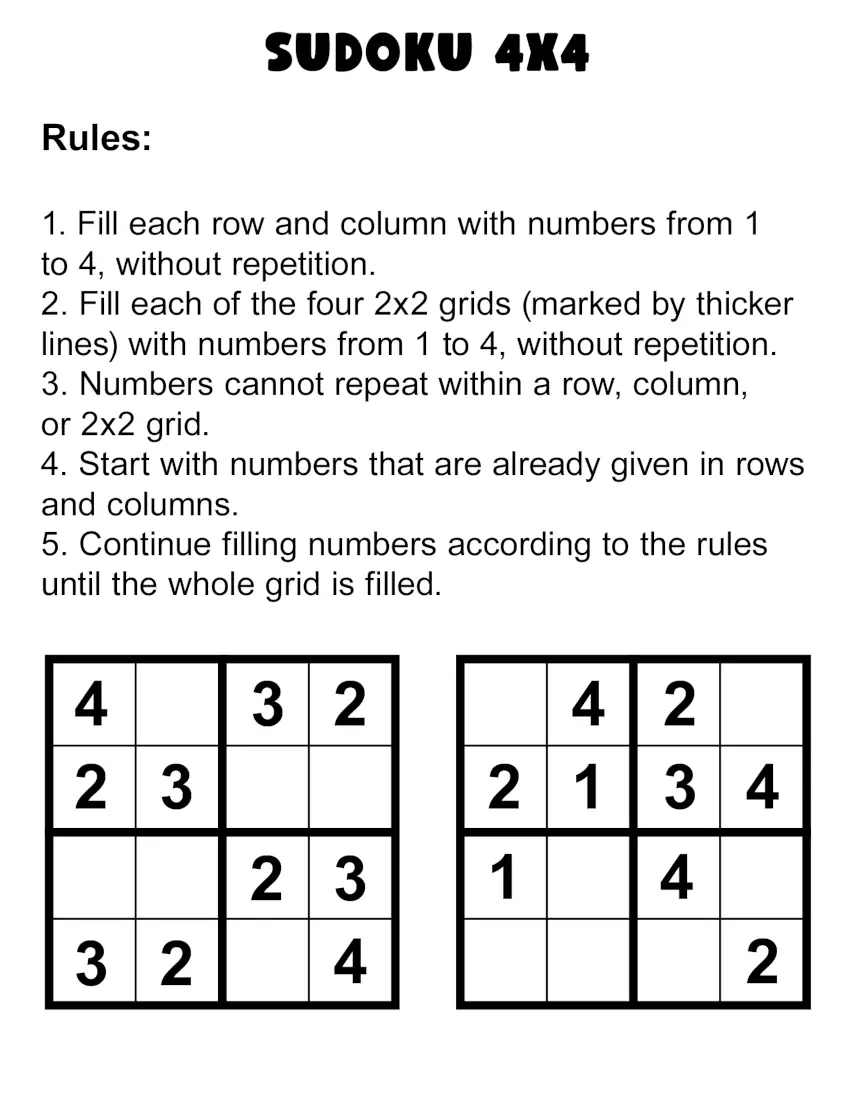
This suits children aged six to seven who enjoy puzzles, numbers, word games, drawing and visual challenges — especially children who like having a mix of activities rather than doing the same type of puzzle repeatedly.
5. A Membership to a Local Place
If the family already has a favourite museum, aquarium or farm park nearby, a year’s membership can turn one birthday into multiple visits. Many venues include members' newsletters, badges or events, so there’s usually something new to look forward to between trips. If the family visits regularly, the membership can become a gift they use throughout the year rather than something that gets forgotten after the birthday.
Worth skipping if the venue is an hour’s drive away, or the family rarely goes out at weekends. For families who are always hunting for something to do on a Sunday, it tends to earn its keep.
6. Personalised Stuff (A Backpack or Pencil Case)
There’s something satisfying about having your own name on a thing when you’re six. A backpack with embroidered initials, or a pencil case and notebook set that belongs to them alone, gets used every week of the school year rather than once.
It’s less of a surprise on the day than a toy, and that’s the trade-off. But it’s also the kind of present that can stay useful long after the birthday, which counts for something. Aim it at children who are settling into primary school, or who have started getting protective about their things.
7. A Subscription (Magazine or Book Club)
A children’s magazine or book subscription arrives in the child’s own name, month after month. Their name on the envelope, something new to open: the post itself is half the pleasure.
It also spreads the birthday across a year, and the cost with it. That makes it a practical option for grandparents and relatives who live far away and want the gift to outlast the party.
8. A Class or a Short Course
A block of swimming lessons, a Saturday art club, a term of football training or a few music sessions. Check with the parent first, since a class commits their time as well as your money, and some families' weekends are already full. But if the child has been asking to try gymnastics or learn guitar, paying for a term gives them a skill and a routine.
Book it to start after the birthday, so there’s something to look forward to as well. Suits children with energy to burn, or a current obsession they’d like to take further.
9. Outdoor Gear (Binoculars or a Bug Kit)
Child-sized binoculars, a bug-catching kit, a nature journal or a decent magnifying glass. At six and seven, plenty of children are suddenly interested in worms, birds and weird leaves, and the right tools turn an ordinary walk into an expedition.
It gives them something to explore outdoors without needing a screen, and it gets used at weekends, on holiday and on every dry afternoon in between. Aim it at the child who keeps stopping on the pavement to look at something.
10. Cash or a Contribution to a Savings Goal
For a child who genuinely has everything, money towards something bigger they’re saving for (a bike, a scooter, a games console) is often the most welcome option, particularly with the parents. Put it in a card with a note naming the goal, and add a small token gift so there’s still something to open on the day.
It can feel impersonal as a present, but when a child is saving towards something specific, watching the total creep closer to the target keeps them interested for months.
How I Actually Decide What to Buy
When I’m staring at a shop shelf with no idea what to get, I run through a short mental checklist:
What are they obsessed with right now? Dinosaurs, space, drawing, football. Whatever it is, a gift connected to it shows you pay attention, and it’s the thing they’ll pick up first.
Will it end up in the bin in a month? Cheap plastic with tiny moving parts usually does. If I can’t picture it still being used in six weeks, I put it back.
Can they do it without me? At six or seven, children often enjoy having something they can figure out themselves, without needing an adult beside them every five minutes. A lot of parents pair independent gifts like this with a regular screen-free quiet time routine at home.
Will they still use it in a few months? Something that grows with the child, like a book series or a membership, beats a gift that’s finished by the end of party week.
The gifts that work are usually the ones that let the child get on with it.
Quick Answers
What is a good birthday gift for a six-year-old who has everything? Experiences and memberships can be a good option when the toy box is already full: a day at the zoo, a year’s pass to a local attraction, or money towards a savings goal the child has chosen themselves. Gifts that get used up rather than stored, such as art materials, magazines and puzzle books, can also sidestep the clutter problem.
What are good non-toy gifts for a seven-year-old? At seven, children often enjoy gifts that match a growing sense of independence: their own magazine subscription, a personalised backpack for school, a class or short course they’ve asked for, or outdoor gear like binoculars and a nature journal. If they need an adult to set it up or supervise, it may not be the best fit.
Are activity books good birthday gifts for six-year-olds? Yes, for children who enjoy puzzles and quiet challenges. Look for a mix of activities at the right difficulty and an answer key, so the child can work through it independently. The Activity Book for 6–7-Year-Olds follows that formula: 80 pages in total, including 70 activity pages, 8 answer-key pages and 2 unnumbered opening pages.
Looking for an activity book for a 6–7-year-old?
The Smart Little Owl Activity Book contains 80 pages, including 70 activity pages, 8 answer-key pages and 2 unnumbered opening pages.
25 mazes · 6 word searches · maths & number puzzles · 4×4 Sudoku · 6 spot-the-difference scenes · drawing & symmetry